



What is trichopigmentation?
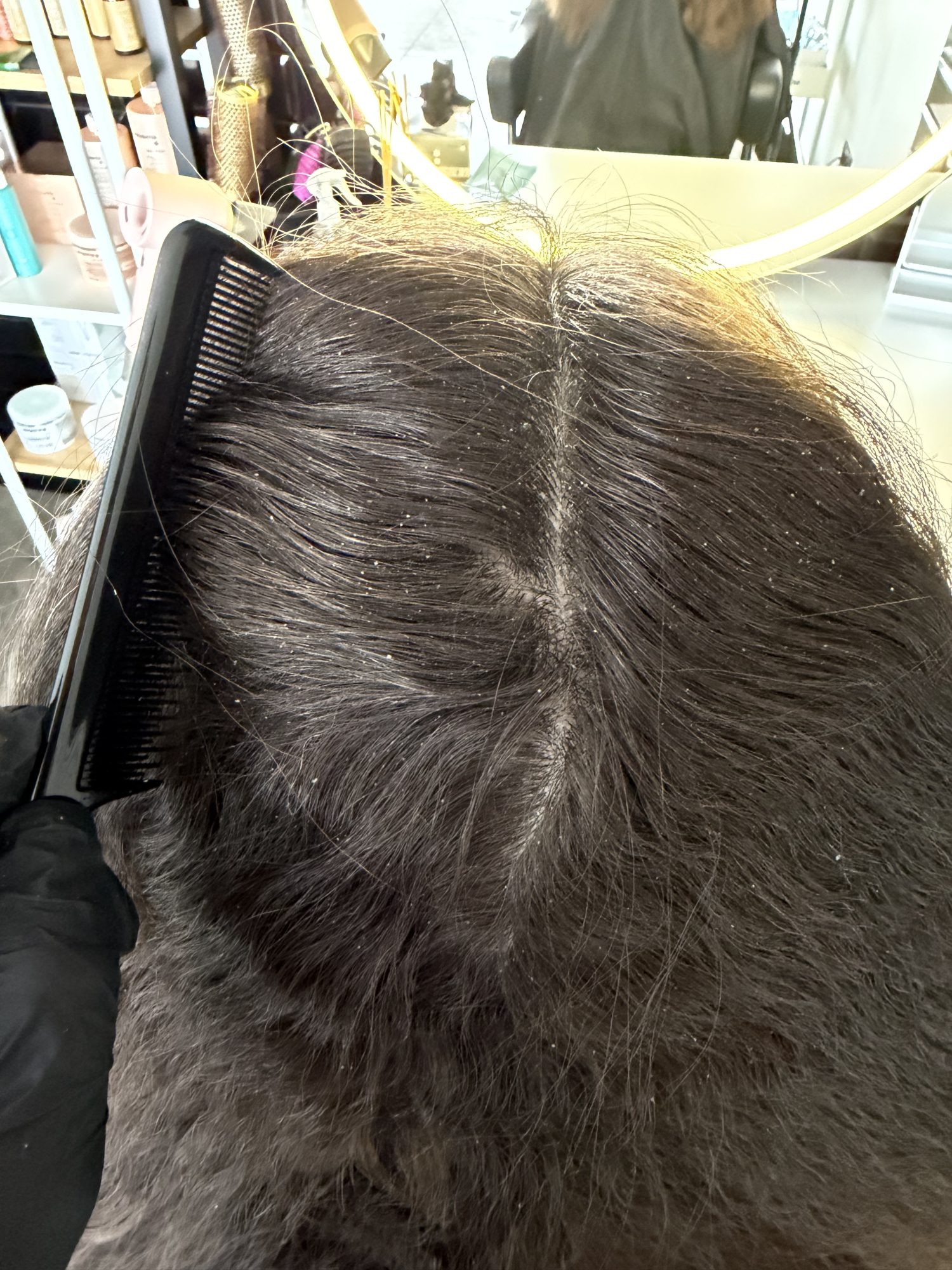
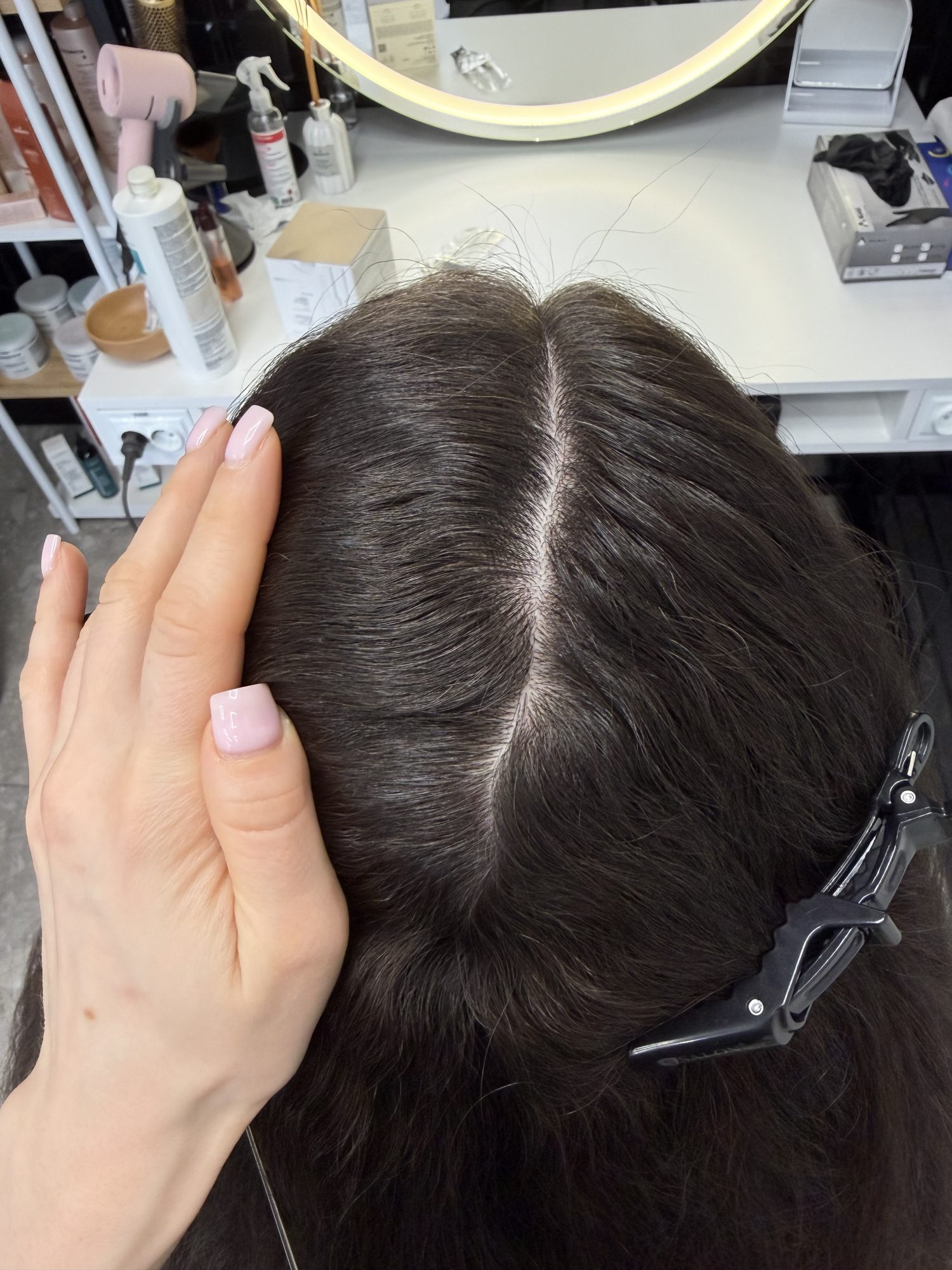
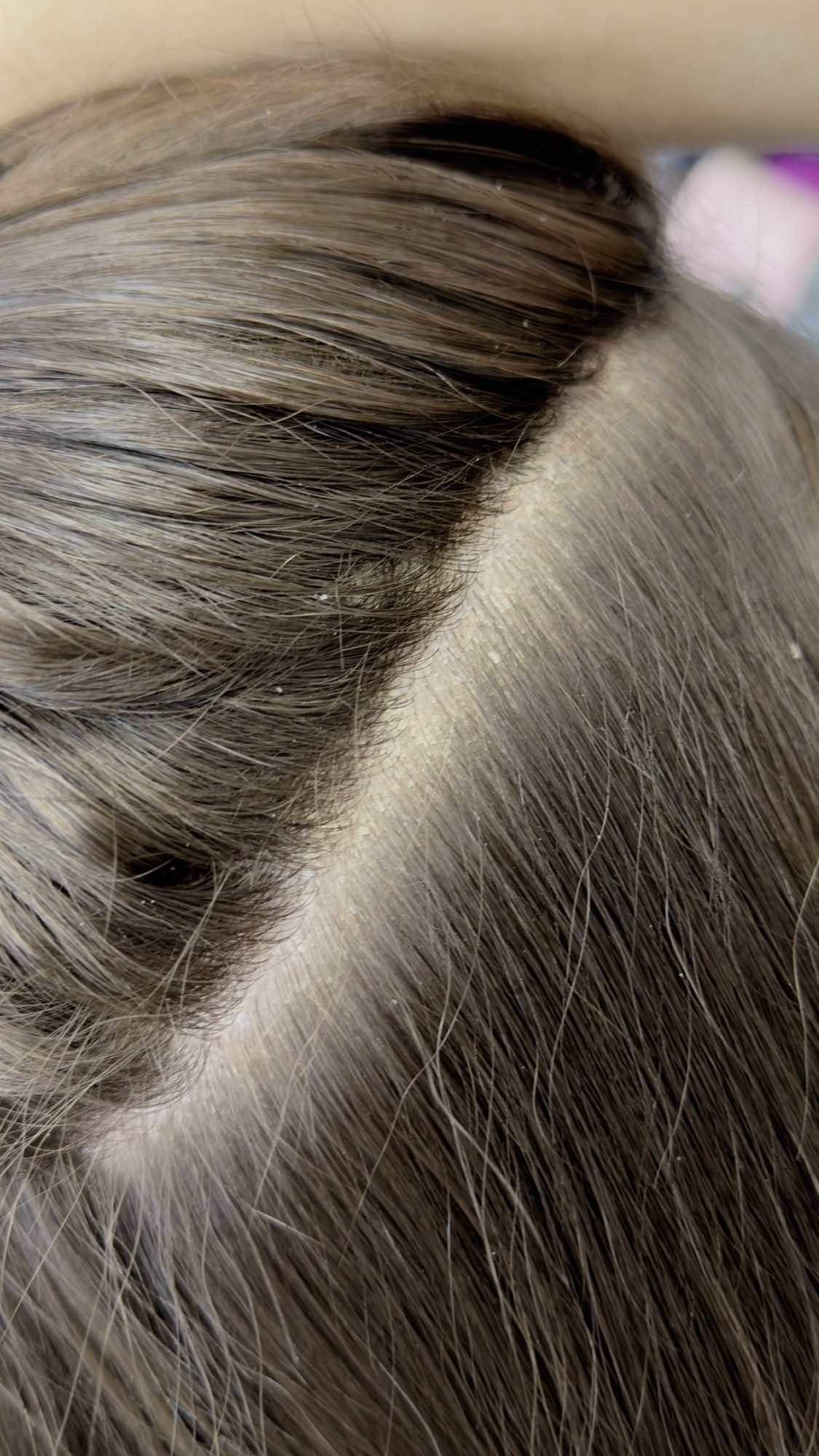
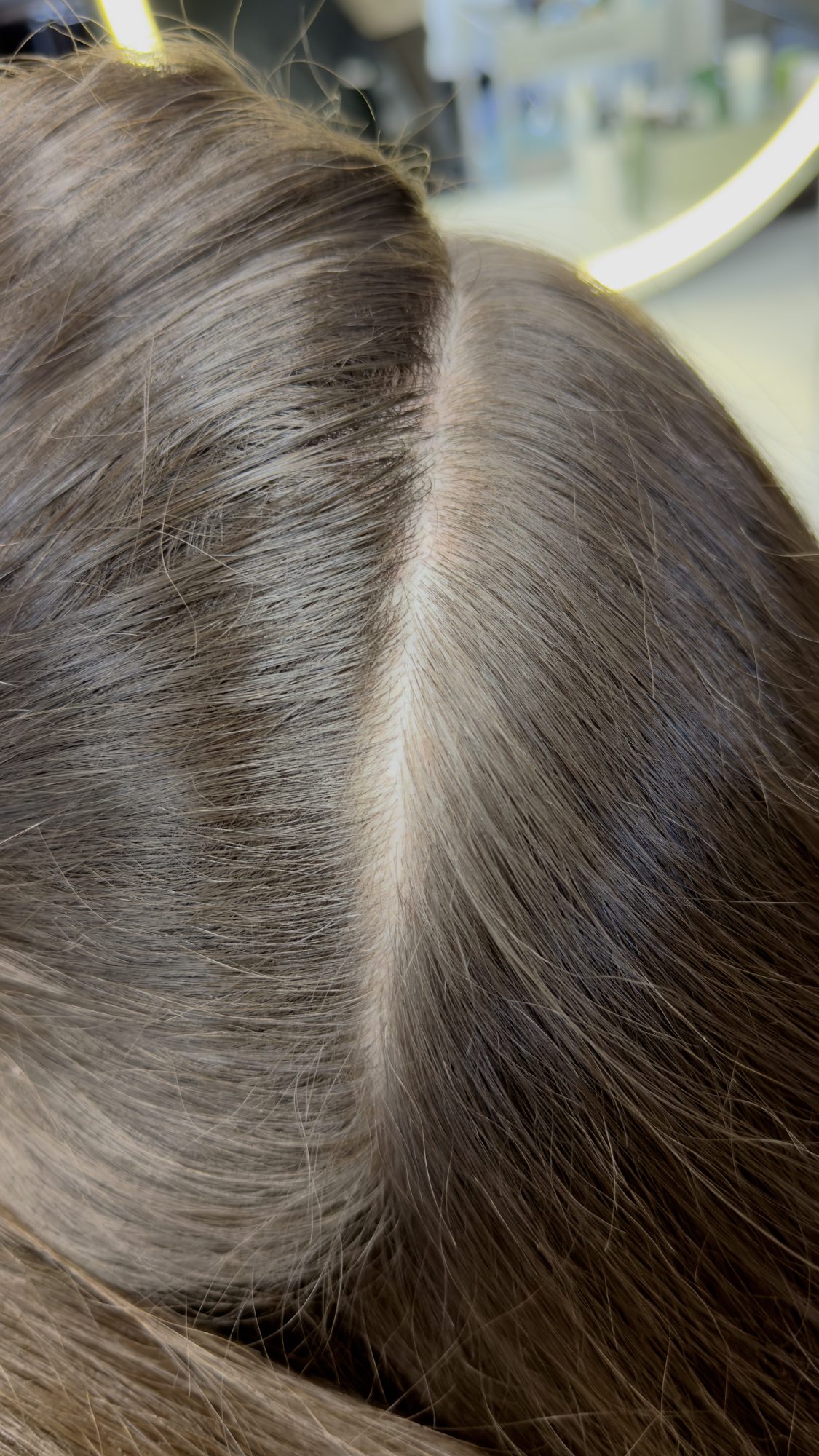
Trichopigmentation (scalp micropigmentation) is a technique involving the placement of specialized pigment into the superficial layers of the scalp using a microneedle device. Each microdot replicates the natural cross-sectional appearance of a hair follicle, with precise control of color, size, and depth.
Unlike conventional tattooing, trichopigmentation employs pigments specifically formulated for the scalp. These pigments do not shift in tone over time and do not produce the bluish or greenish discoloration typical of standard tattoo inks. The procedure is performed over several sessions to achieve optimal density and uniformity.
Indications for trichopigmentation
The procedure is recommended for:
- androgenetic alopecia (male and female pattern hair loss) at any stage
- diffuse thinning of the hair, to create the visual effect of density
- cicatricial alopecia, including camouflage of scars from trauma, burns, or surgery
- post–hair transplant scarring, particularly in donor areas
- enhancing perceived density of existing hair without invasive procedures
- complete hair loss, to recreate the look of a closely shaved scalp
- uneven hair growth, including gaps and widened partings
- as an adjunct to hair transplantation to enhance overall density
Why patients choose trichopigmentation
Trichopigmentation addresses concerns where other approaches may be limited or ineffective:
- insufficient donor hair supply for transplantation
- unsatisfactory outcomes or contraindications to medical therapy
- need for rapid results without prolonged treatment or recovery
- preference to avoid surgical intervention
- camouflage of scars of any origin within the hair-bearing scalp
Procedure overview
Consultation and pigment selection
Prior to the first session, a trichologist–esthetician conducts a detailed assessment: evaluating scalp condition, defining treatment areas, and selecting a pigment shade that matches the patient’s natural hair color. Skin tone, hair color, and shaft thickness are considered to ensure a максимально natural outcome.
Design planning
An individualized treatment plan is developed in collaboration with the patient. This includes defining the hairline, pigment density, and zones of emphasis. A well-designed hairline is critical for a natural, non-artificial appearance.
Pigment application
Using a specialized microneedling device, the practitioner deposits pigment point by point, replicating individual follicles. The depth, size, and density of each point are tailored to specific scalp areas and aligned with natural hair growth patterns.
Number of sessions
Typically, 2–4 sessions are required at intervals of 7–14 days. The first session establishes the base layer, while subsequent sessions enhance depth, uniformity, and realism.
Trichopigmentation vs. scalp tattooing
| Parameter | Trichopigmentation | Tattooing |
|---|---|---|
| Pigments | Specialized for scalp use | Standard tattoo inks |
| Color stability | No long-term color shift | May turn blue or green |
| Depth | Superficial dermal layer | Deeper dermal layers |
| Result | Natural follicle simulation | Risk of artificial appearance |
| Correction | Easily adjustable and refreshable | Difficult to correct |
Benefits of trichopigmentation
- Non-surgical method: no incisions, sutures, or general anesthesia
- Immediate visible improvement after the first session
- Effective camouflage of scars and imperfections
- Suitable for all stages of hair loss, from partial to complete
- Minimal downtime: return to normal activities the next day
- Long-lasting results: typically 2–5 years depending on skin type
- Safe, specialized pigments that maintain stable color
- Flexible: easily adjustable and refreshable over time
Aftercare and recovery
First 3–5 days:
- keep the treated area dry; avoid washing or rubbing
- avoid physical exertion and excessive sweating
- do not use styling products on the treated area
- avoid saunas, swimming pools, and tanning beds
For 2–4 weeks:
- protect the scalp from direct sun exposure (UV accelerates pigment fading)
- use SPF protection when outdoors
- avoid aggressive shampoos or scalp treatments
Long-term care:
To maintain pigment intensity, a maintenance session is recommended every 1–2 years, depending on skin type and natural fading. Gentle scalp care and регуляр SPF protection significantly prolong results.
Trichopigmentation as a complement to hair transplantation
Trichopigmentation and hair transplantation are complementary rather than competing approaches. Following FUE or DHI transplantation, micropigmentation can:
- camouflage donor-area scarring in the occipital region
- visually enhance density in areas with limited graft placement
- fill gaps between transplanted follicles during the engraftment phase
- create a more uniform and natural overall appearance
This combined approach enables results that neither method can achieve independently.
Interested in whether trichopigmentation is suitable for you and what results can be achieved in your specific case? Book an initial consultation. A trichologist will assess your scalp, select the appropriate pigment, and develop a personalized treatment plan.