





A consultation with a hair transplant surgeon is a comprehensive clinical appointment during which the specialist performs a detailed assessment of the hair and scalp, determines the stage and cause of hair loss, evaluates the donor supply, and develops a personalized treatment plan.
This is a medical consultation after which the patient gains a clear understanding of their condition, available methods, and realistic outcomes. In some cases, the surgeon may recommend starting with comprehensive treatment rather than proceeding directly to transplantation.
What happens during the consultation?
Medical history assessment.
The surgeon evaluates the duration and progression of hair loss, genetic predisposition, past illnesses, medications, and previous treatment attempts. This information helps identify the cause of hair loss and predict its progression without intervention.
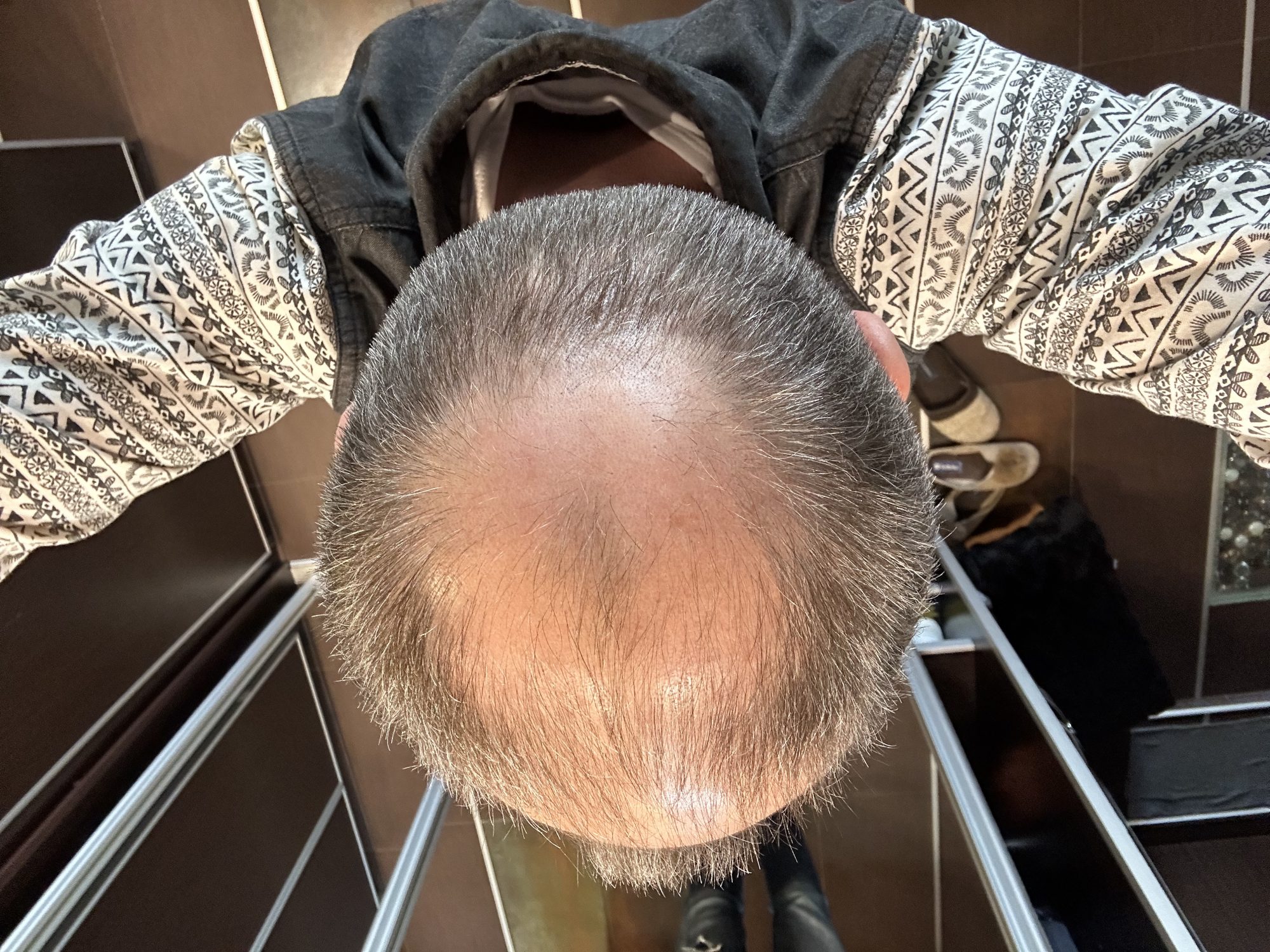
Assessment of hair loss stage.
The specialist determines the stage of androgenetic alopecia using the Norwood scale (for men) or Ludwig scale (for women), evaluates the pattern and extent of hair loss, and forecasts its progression—critical for designing a natural hairline.
Donor area evaluation.
The surgeon assesses the density, quality, and reserve of hair follicles in the donor area (typically the occipital region). The maximum number of grafts that can be safely harvested without over-depleting the donor zone is determined.
Trichoscopy and microscopic analysis.
If needed, a detailed examination using a trichoscope is performed to evaluate follicle density, shaft thickness, the presence of miniaturized follicles, and overall transplant viability.
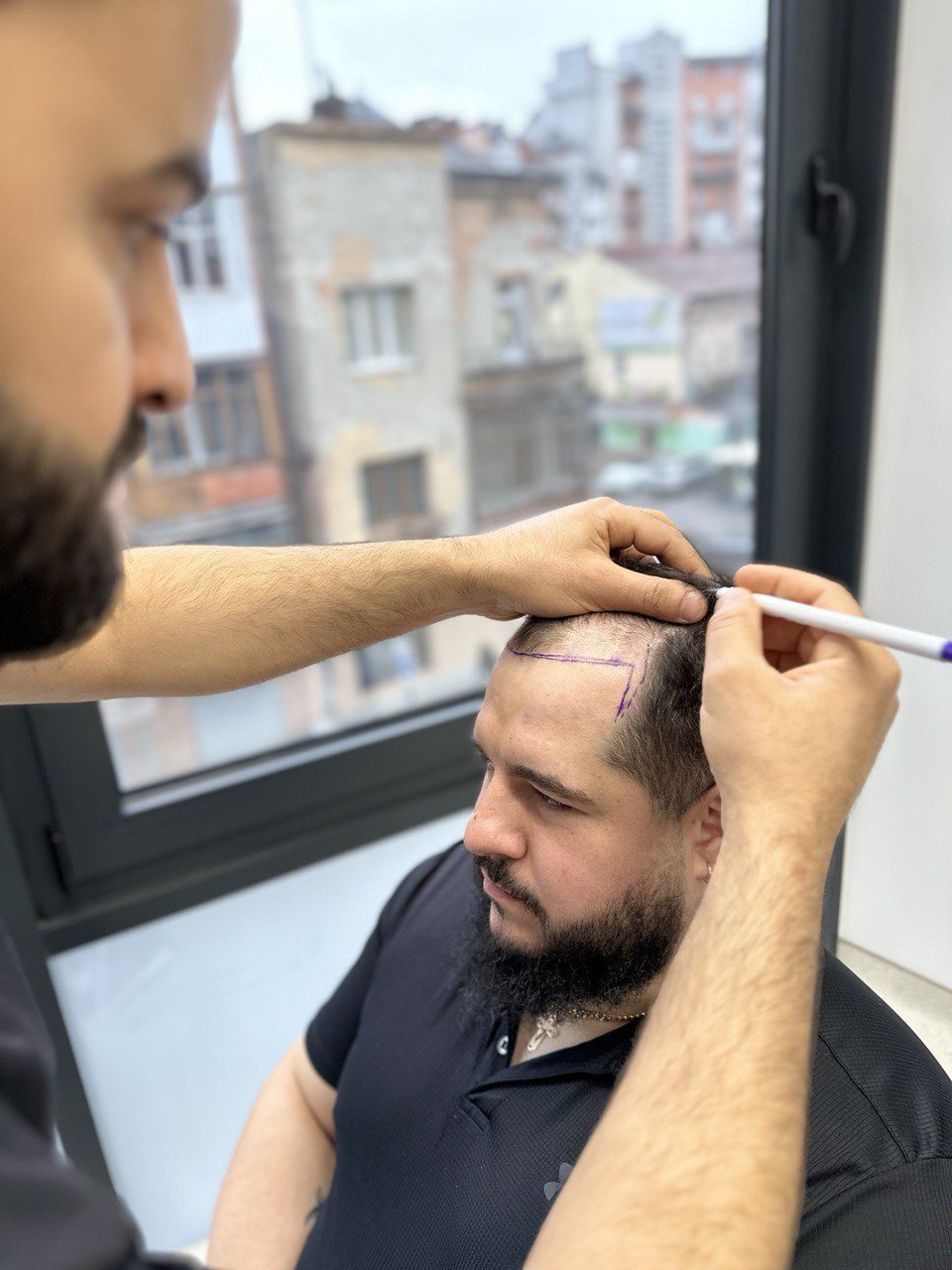
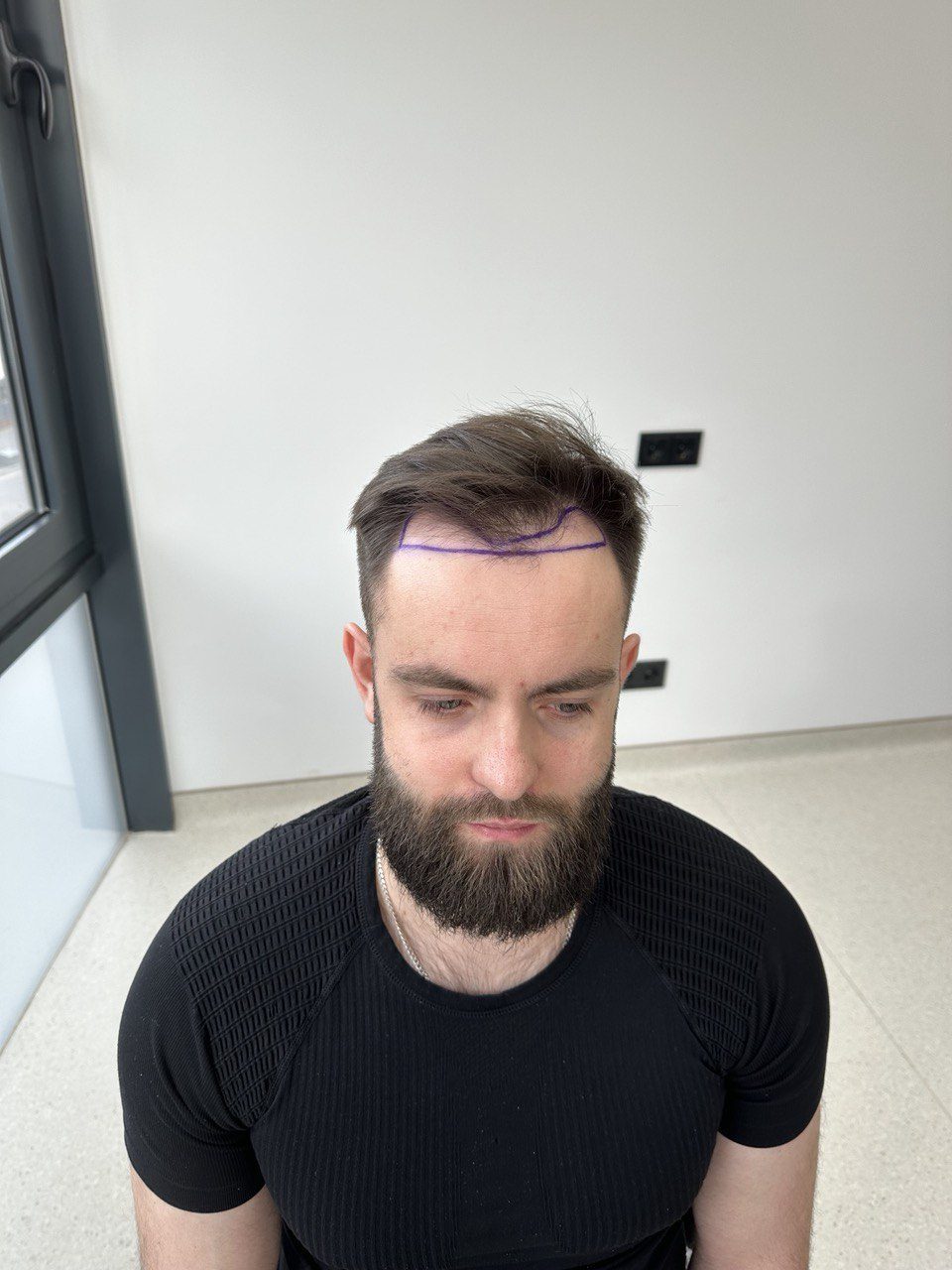
Hairline design planning.
Together with the patient, the surgeon discusses and designs the future hairline, taking into account age-related changes, facial proportions, and realistic donor capacity. This is one of the most critical aesthetic stages, as an improperly designed hairline can appear unnatural even with flawless technique.
Selection of transplantation method.
Based on the collected data, the surgeon recommends the optimal method—FUE or DHI—explaining the differences and advantages of each approach in the patient’s specific case.
Determining the number of grafts.
The surgeon calculates the required and feasible number of grafts needed to achieve an aesthetically acceptable result. The patient gains a clear understanding of the achievable density.
When should you consult a hair transplant surgeon?
• androgenetic alopecia continues to progress despite medical treatment;
• there are persistent bald areas that do not respond to conservative therapy;
• stage II–IV hair loss according to the Norwood scale (classic indications);
• hair loss caused by trauma, burns, or scarring;
• a desire to restore eyebrows, beard, or hairline;
• the patient seeks a professional opinion on whether transplantation is appropriate.
Why is the consultation a separate and essential stage?
Hair transplantation is an irreversible procedure. Grafts from the donor area are used only once, and each poorly planned intervention reduces the resources available for future corrections. Therefore, the quality of planning at the consultation stage determines not only the immediate result but also future possibilities for hair restoration.
An experienced transplant surgeon never rushes to schedule surgery. They provide an honest evaluation and, if necessary, recommend stabilizing hair loss through medical or trichological treatment before considering transplantation as the final step.
What does the patient receive after the consultation?
• a clear understanding of the stage and cause of hair loss;
• an assessment of donor potential and realistic intervention scope;
• a recommendation of the optimal method—FUE or DHI;
• an individualized hairline design;
• a calculation of the required number of grafts;
• an understanding of the procedure stages, recovery, and result timeline;
• answers to all questions.
Book an initial consultation with a hair transplant surgeon to gain a complete picture of your situation, a concrete action plan, and a clear answer to whether transplantation is right for you—and if so, which method is most suitable.