
Beard Transplantation

A uniform, dense beard is not only an aesthetic feature but also a source of confidence. However, not every man can grow one naturally: patchiness, uneven growth, or a complete absence of hair in certain areas often have genetic or medical causes and cannot be corrected cosmetically. Beard transplantation using the FUE method in Ivano-Frankivsk is the only solution that provides a permanent, natural result: your own follicles, your own hair, for life.

Doctors
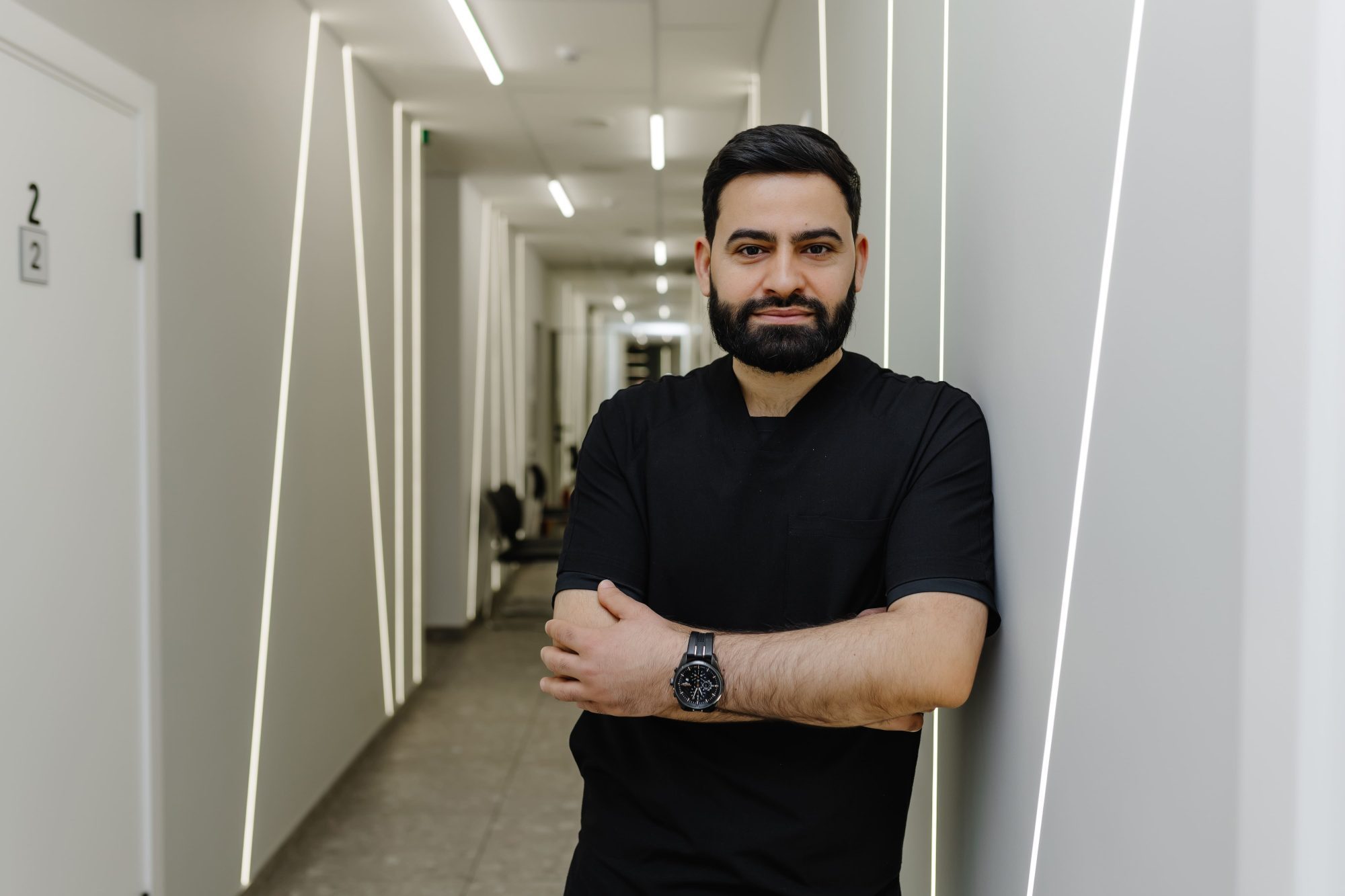
Ali Al-Gayyim
Surgeon-Transplantologist
In 2016, he graduated from the Ivano-Frankivsk National Medical University, majoring in "General Medicine". In 2018, he completed clinical residency. In 2019, he graduated from the specialization "Therapy. General practice". In 2022, he underwent retraining in the specialty "General Surgery" at the National Medical Academy of Postgraduate Education...
Results
All resultsHair transplantation
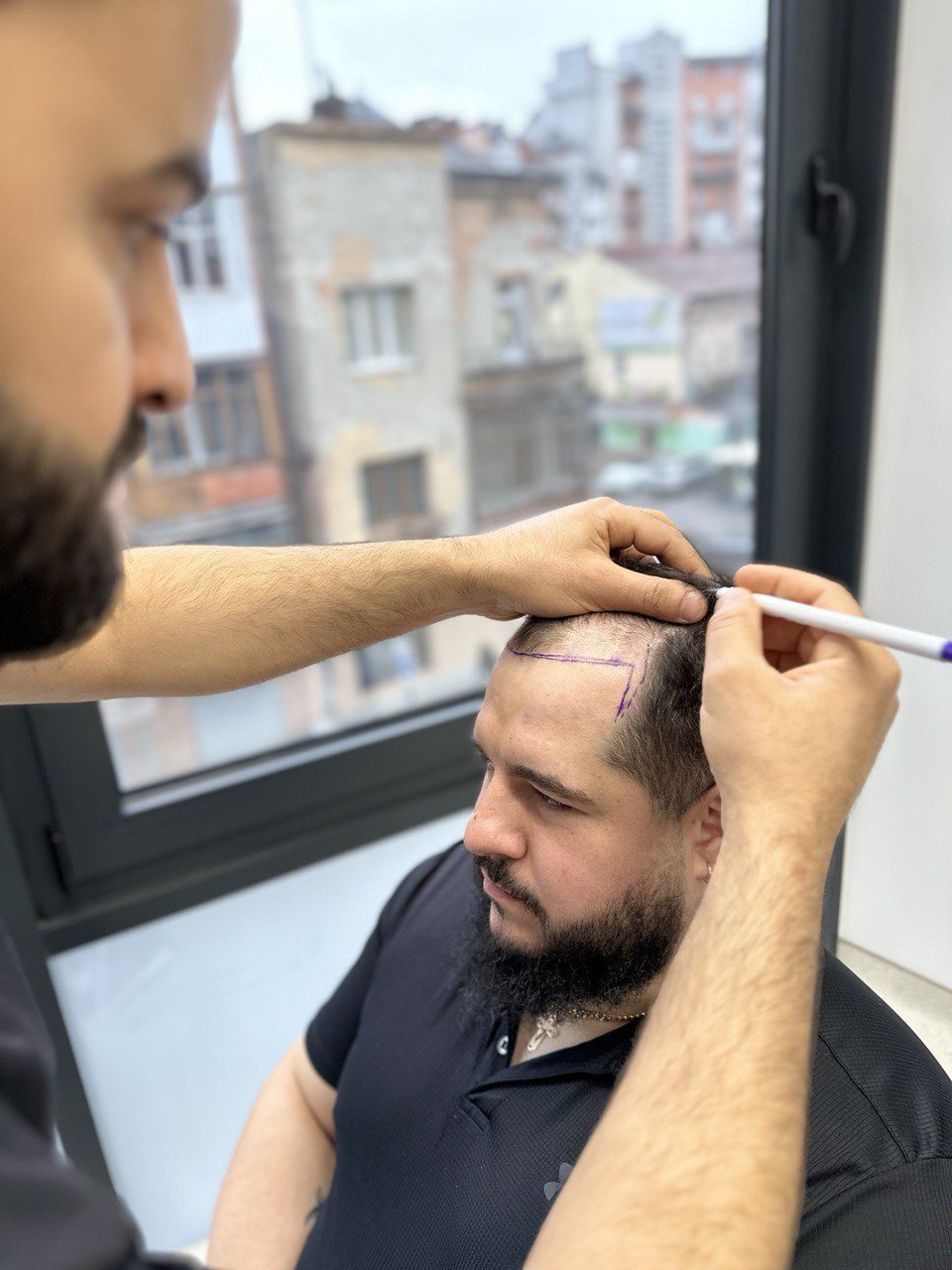
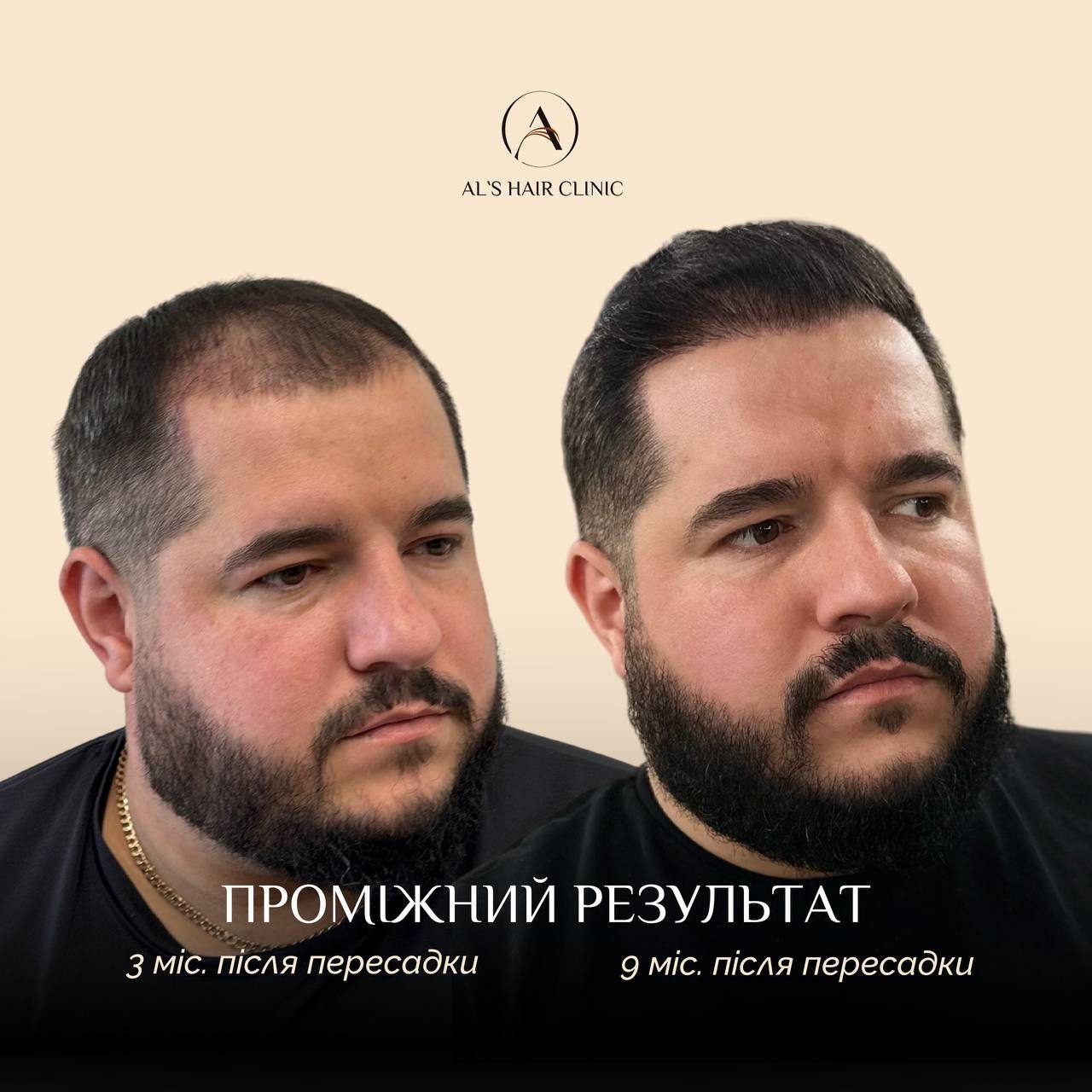
Patient: man Diagnosis: androgenetic alopecia Method: FUE Transplanted: 1815 grafts
Hair transplantation
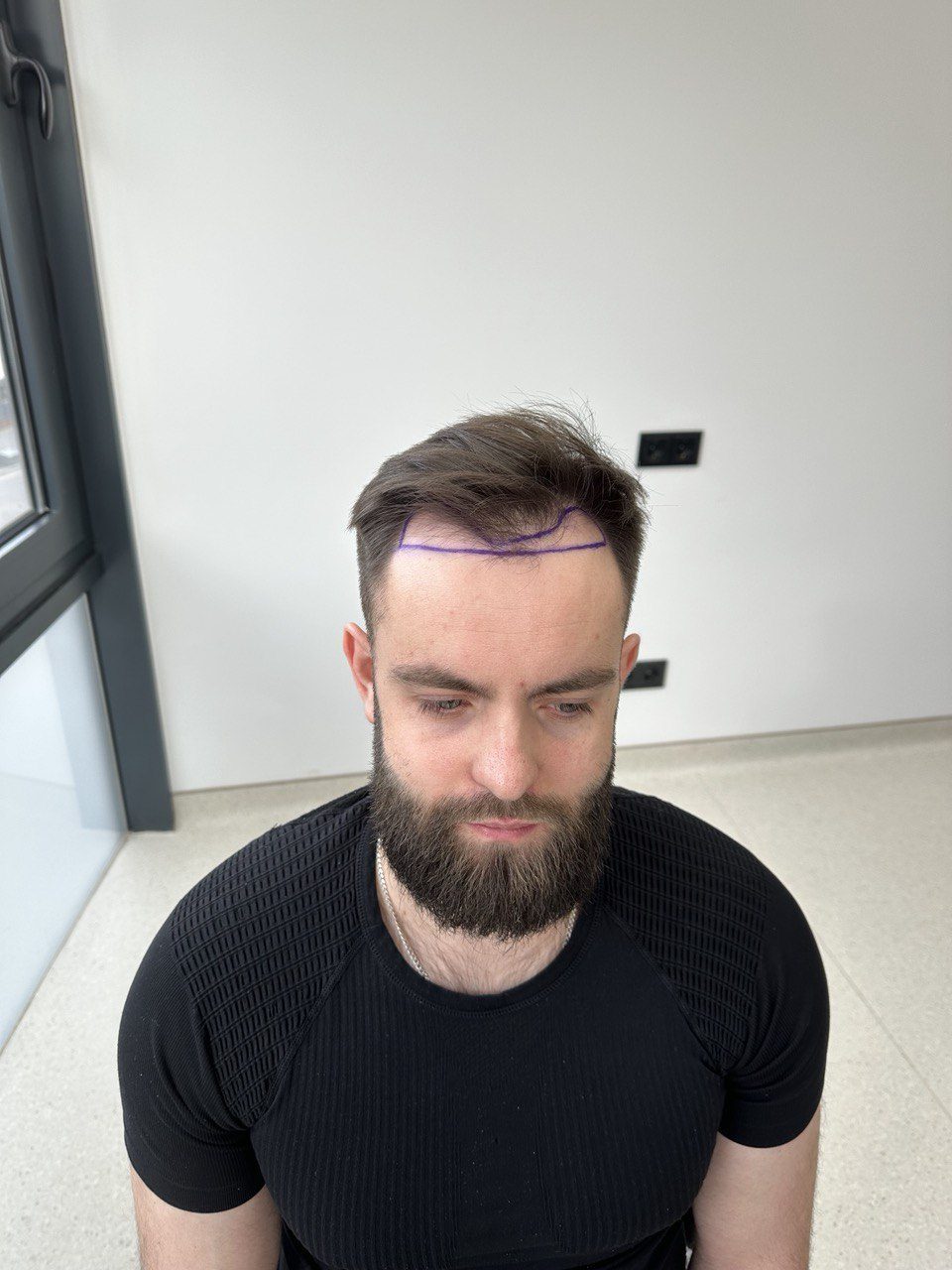
Patient: man Diagnosis: androgenetic alopecia Method: FUE Transplanted: 1603 grafts

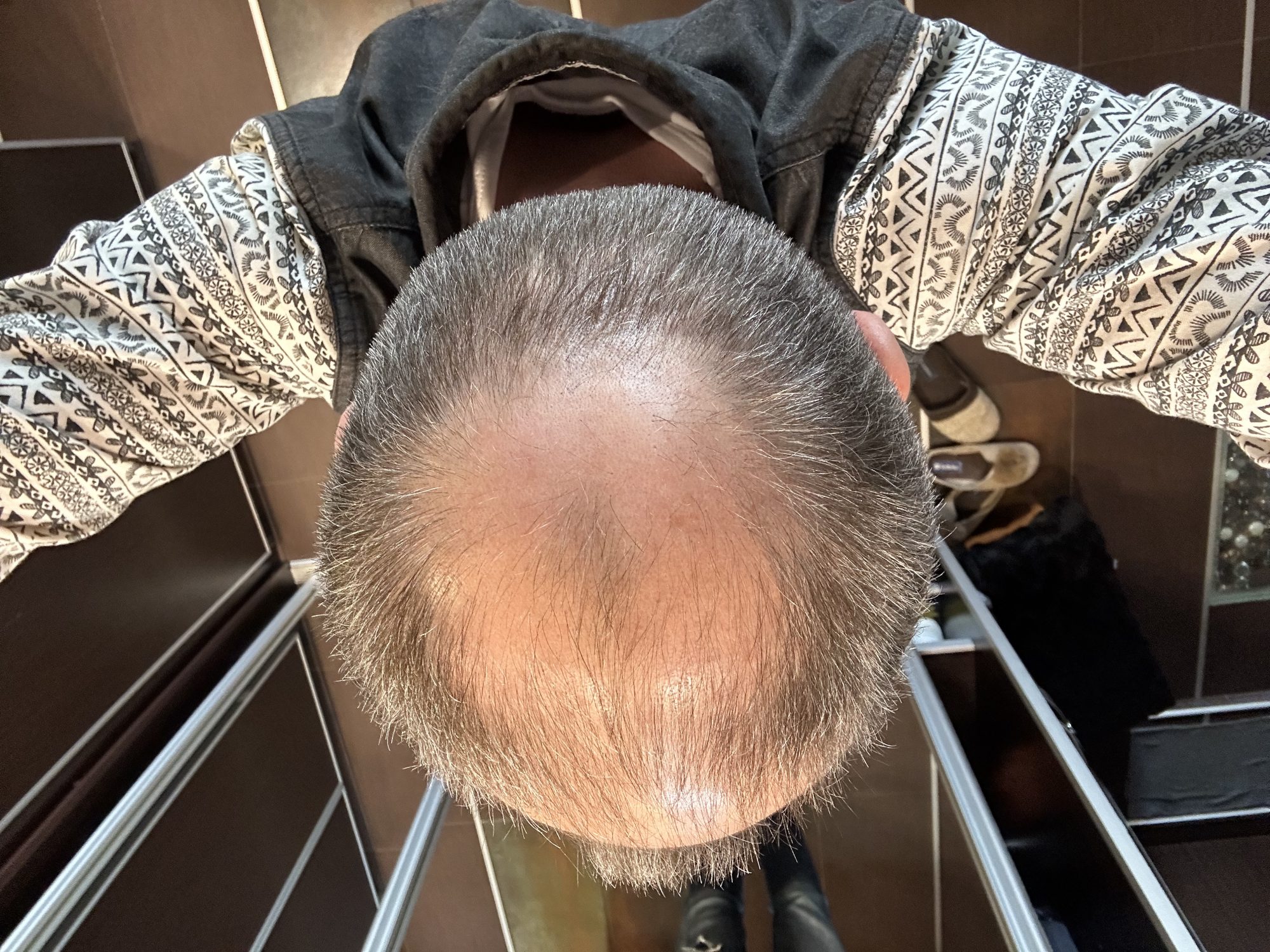
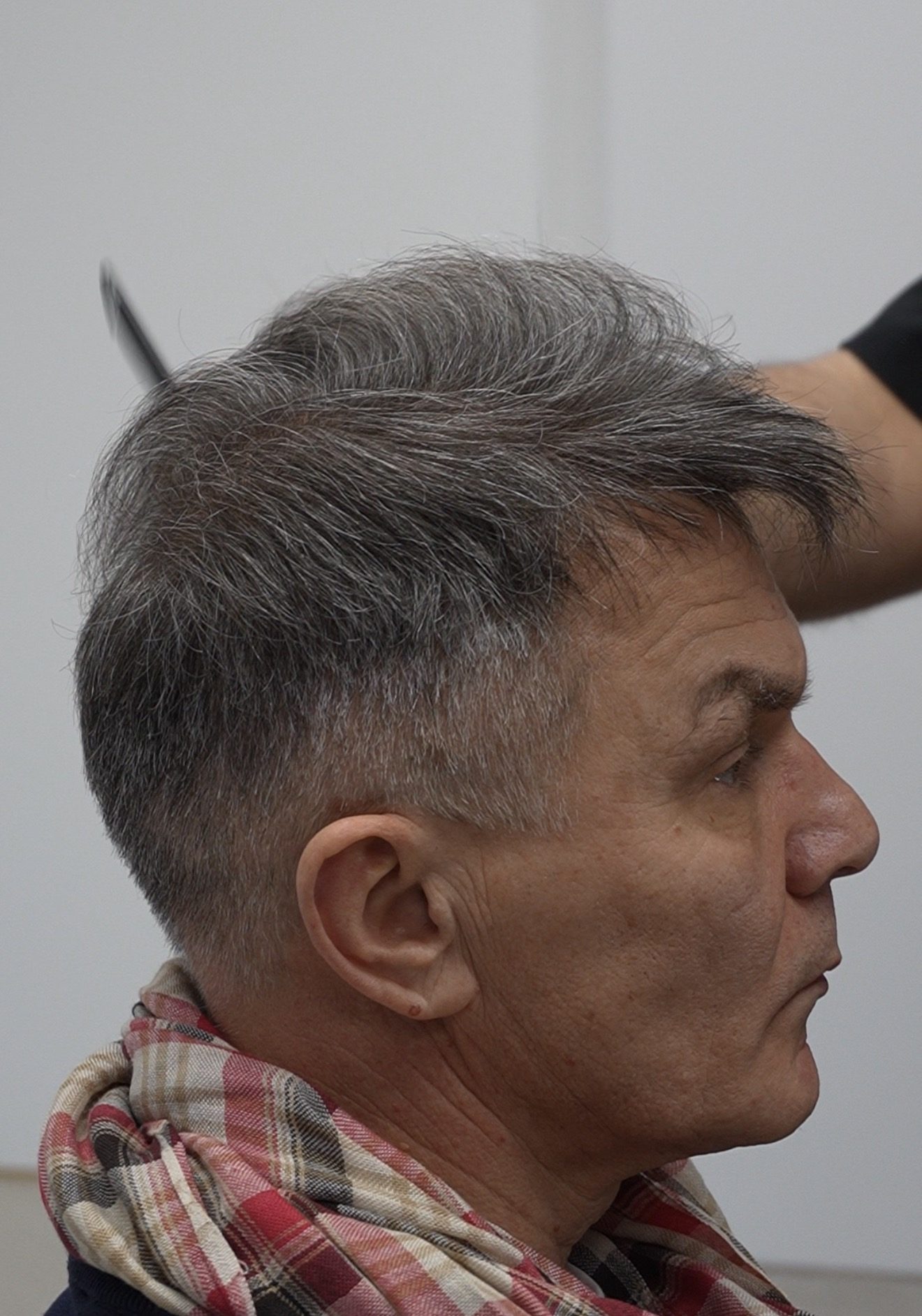
Beard transplantation is recommended when conservative methods of stimulating hair growth do not provide a lasting result. Indications for the procedure include:
- genetically sparse or uneven beard -gaps, “islands” without growth
- complete or partial absence of beard and mustache growth
- scars and cicatrices in the facial area after trauma, burns, or surgical procedures
- hair loss due to alopecia: areata, cicatricial, or diffuse
- consequences of dermatological diseases: psoriasis, lichen planus
- desire to correct the shape or increase the density of an existing beard
- recovery after chemotherapy or radiation therapy
- aesthetic correction - creating a defined contour or filling specific areas
Causes of uneven beard growth
Understanding the cause is the first step toward proper treatment. The most common factors include:
- genetic predisposition: the type and pattern of facial hair growth are inherited
- hormonal disorders: low testosterone levels or androgen imbalance directly affect facial hair growth
- diseases of the skin and follicles: alopecia areata, folliculitis, cicatricial alopecia
- injuries and burns: mechanical damage to follicles leads to their irreversible loss
- effects of medical treatments: chemotherapy, hormonal therapy, long-term use of certain medications
- stress and autoimmune conditions may trigger localized hair loss on the face
How the procedure is performed
Beard transplantation is carried out using the seamless FUE method, without linear incisions or sutures. The donor area is typically the occipital region of the scalp. Follicles are harvested from there, selected to closely match the thickness and structure of beard hair.
Stage 1 – Consultation and design. Before the procedure, the surgeon discusses with the patient the desired shape, density, and contour of the beard. An individualized design is developed, taking into account facial anatomy, proportions, and the natural direction of hair growth.
Stage 2 – Anesthesia. Local anesthesia is administered to both the donor and recipient areas. The procedure is completely painless; the patient remains conscious and experiences only minimal discomfort during the injection of the anesthetic.
Stage 3 – Graft extraction. Using a specialized micro-instrument, the surgeon extracts hair follicles individually from the occipital area. Each graft is carefully processed and prepared for implantation, selected according to thickness and characteristics matching natural beard hair.
Stage 4 – Recipient area preparation. In the beard area, the surgeon creates microchannels at precisely defined angles, corresponding to the natural direction of hair growth in each specific facial region. The angle and depth of these channels determine the natural appearance of the final result.
Stage 5 – Implantation. The prepared grafts are carefully placed into the created channels. The surgeon recreates the natural direction of growth for each hair. This varies across the chin, cheeks, mustache, and sideburn areas, and is individually tailored for each zone.
Advantages of FUE beard transplantation
- Lifetime result — transplanted follicles retain their properties permanently
- Completely natural appearance — hair grows at natural angles and is indistinguishable from native hair
- High survival rate — up to 95–99% of transplanted grafts successfully take root
- No scars or sutures — the seamless technique leaves no visible marks
- Precise control of shape — the surgeon recreates any desired contour and density
- Single session — typically one procedure is sufficient to achieve the desired result
- Painless — local anesthesia ensures complete comfort
- Shaving and styling are possible — the transplanted beard behaves like natural hair
How many grafts are needed for a beard
The number of grafts depends on the area and desired density*:
Area — Approximate number of grafts
Mustache — 300–500
Beard (partial filling) — 500–1,500
Full beard from scratch — 1,500–3,000
Beard + sideburns — 2,000–3,500
*The exact number is determined individually during consultation after assessing the donor area and the patient’s preferences.
Rehabilitation after beard transplantation
After the procedure, the patient receives detailed written care instructions. Adherence to rehabilitation guidelines directly affects graft survival.
First 7–10 days:
do not touch, rub, or wet the beard area
avoid shaving in the implantation zone
do not use beard care products
crusts fall off naturally and must not be removed or traumatized
avoid direct sunlight and overheating
During the rehabilitation period:
avoid intense physical activity
do not visit saunas, solariums, or swimming pools
avoid alcohol and smoking, as they impair microcirculation and graft survival
Result progression:
1–4 weeks — microdots in the donor area heal and become invisible. Transplanted hairs may temporarily fall out; this is a normal shock loss phase.
2–4 months — active growth of new hair begins in the implantation zone.
6–8 months — the beard gains noticeable density and shape.
10–12 months — final result: the beard is fully formed, hair has gained thickness and a natural appearance. From this point, it can be shaved, styled, and maintained as usual.
Dream finally have the beard you’ve always wanted? Book an initial consultation with a hair transplant surgeon in Ivano-Frankivsk — the specialist will assess your donor potential, develop an individualized design, and explain what results can be achieved in your specific case.
FAQ
Yes. Complete absence of beard growth is a direct indication for the procedure. If hair follicles in the facial area are genetically absent or inactive, transplantation is the only method that provides a permanent result. Donor follicles from the occipital area successfully engraft in the new location and grow as a natural beard.
The primary donor area is the occipital region of the scalp, where hair is genetically resistant and has appropriate thickness.
Yes. Transplanted follicles grow like normal hair and can be shaved, shaped, trimmed, and maintained using standard grooming products. The only nuance is that initially, transplanted hairs may grow slightly faster, as they retain the characteristics of the donor area. Most patients either do not notice this or adapt easily.
For the first 10–14 days, the implantation area must not be shaved or contacted with cutting instruments. After complete skin healing, usually within 2–3 weeks, gentle contouring can begin. Full shaving and regular beard care are typically possible from the second month after the procedure.
Yes. Partial transplantation to fill specific gaps or correct shape is a полноценна процедура with its own planning and design. The surgeon determines the implantation zones, the number of required grafts, and recreates the natural direction of hair growth in those specific areas.