



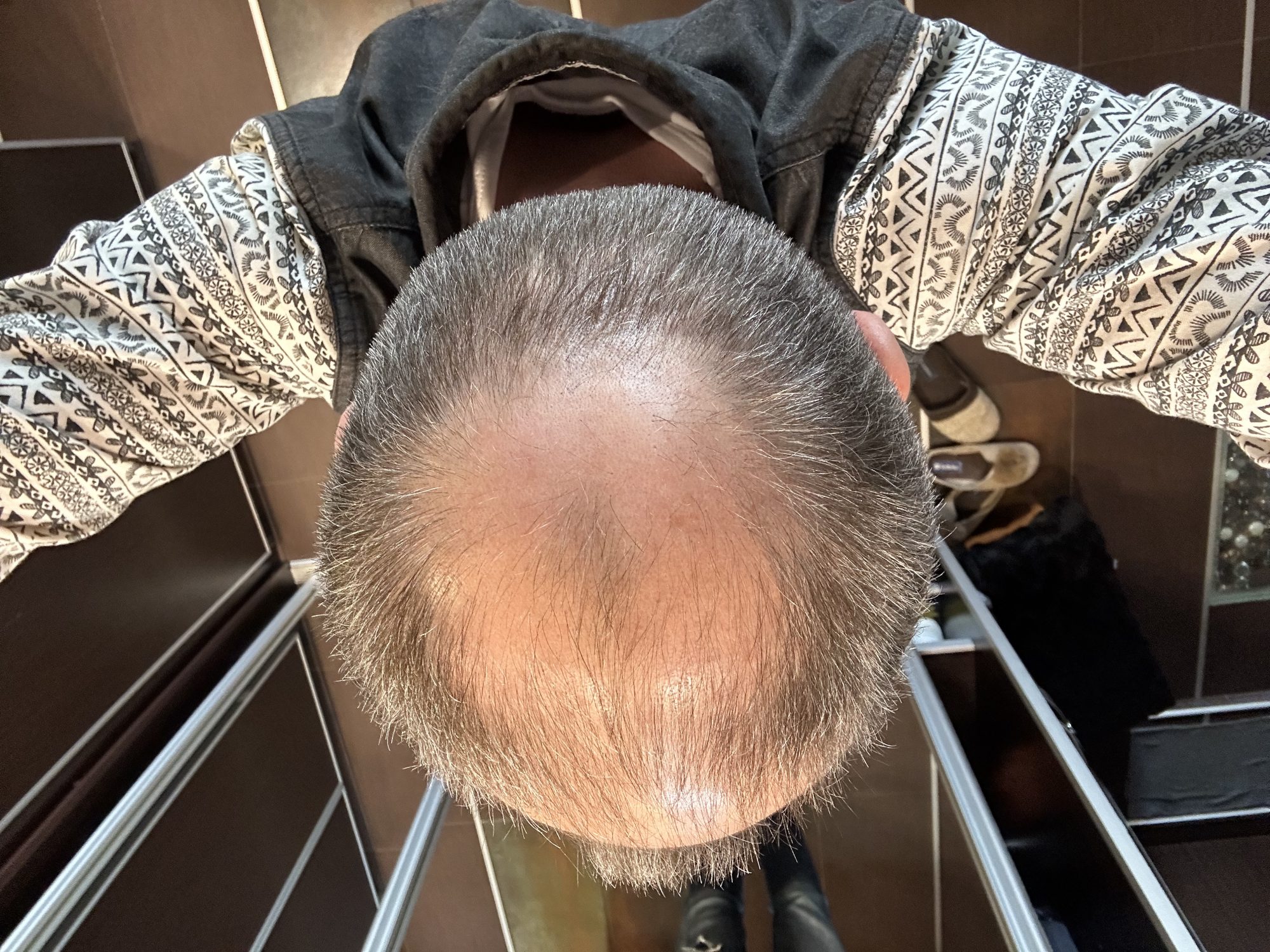
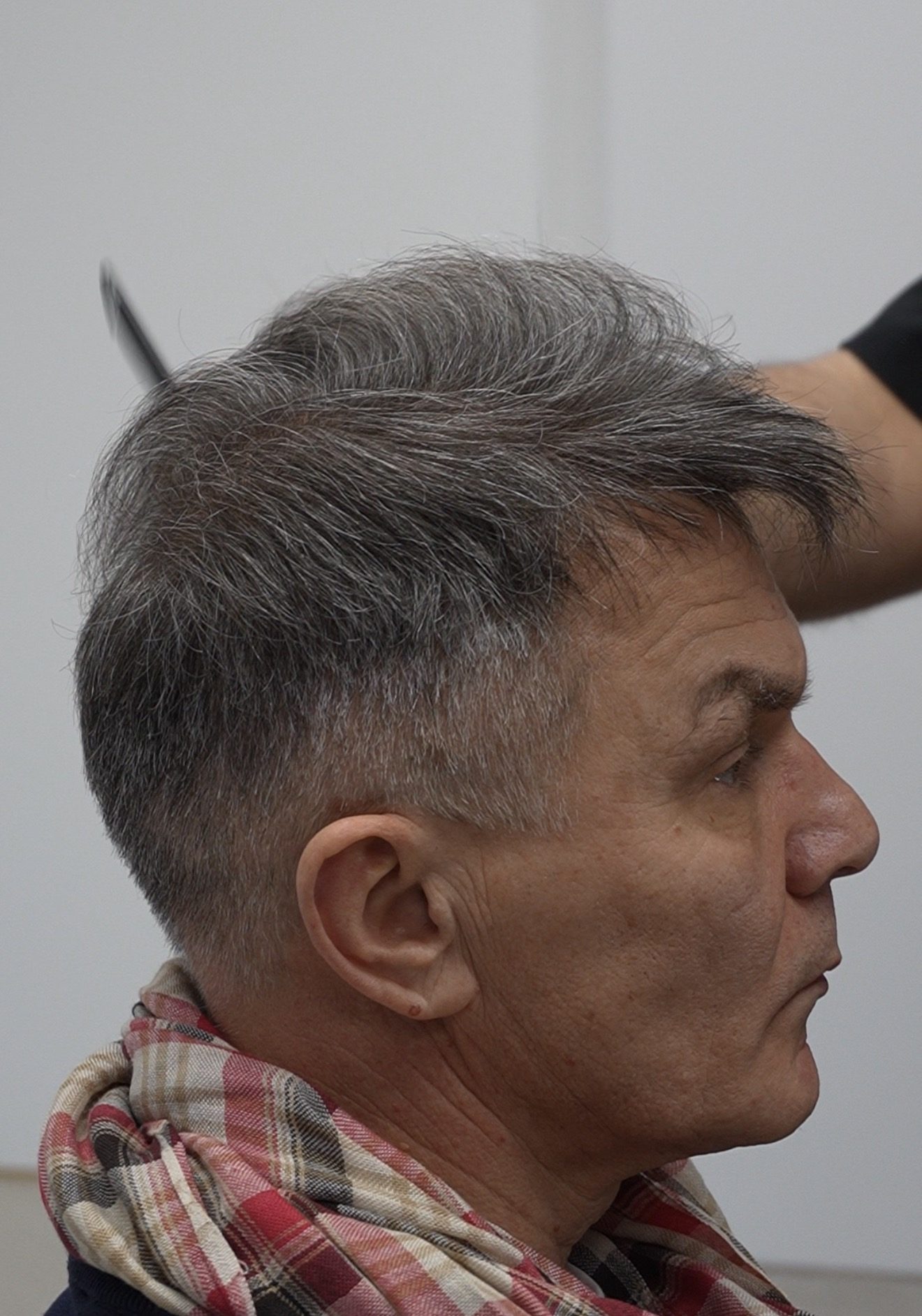
DHI is an evolution of seamless transplantation in which extraction and implantation of grafts occur within a single coordinated process. Instead of предварительного formation of channels in the scalp, the surgeon uses a Choi implanter—an instrument that simultaneously creates a channel and places the graft into it. This reduces the time follicles remain outside the body and increases their survival rate.
Up to 2,500 grafts can be transplanted in a single session. No incisions, sutures, or excessive trauma to surrounding tissues.
How the procedure is performed
Consultation and planning
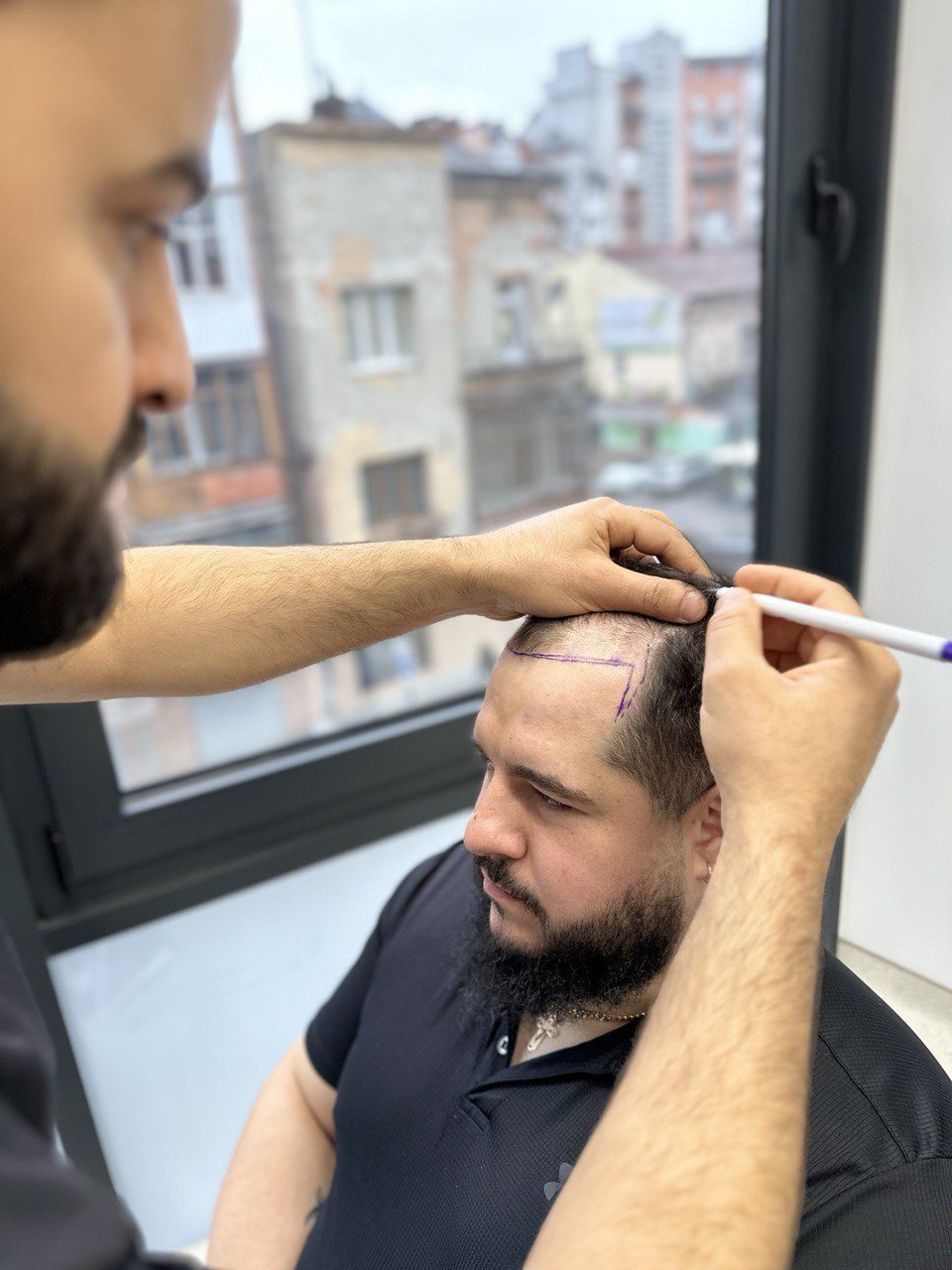
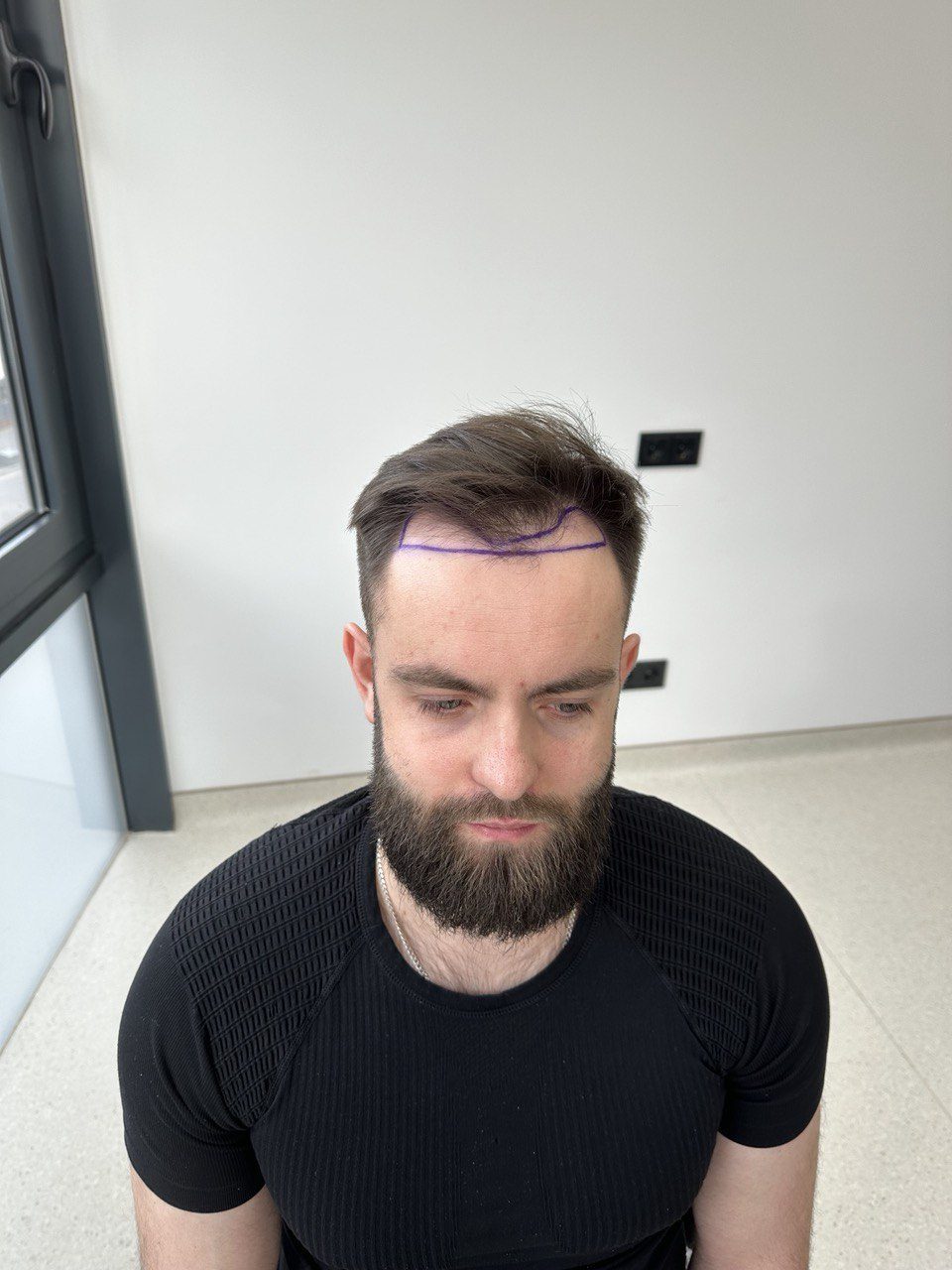
Prior to the procedure, a detailed consultation with a hair transplant surgeon is conducted. The transplantation area and scope are determined, donor supply is assessed, and an individualized hairline design is developed.
Anesthesia
The procedure is performed under local anesthesia. The patient remains conscious and experiences minimal discomfort.
Graft extraction
Hair follicles are extracted individually from the donor area—typically the occipital region, where hair is genetically resistant to balding. The harvested grafts are transferred to assistants for counting, sorting, and preparation for implantation.
Implantation with the Choi implanter
An assistant places the prepared graft into the chamber of the Choi implanter and hands the instrument to the surgeon. The surgeon inserts the graft directly into the recipient area at a precisely determined angle and depth, without any предварительного incision. This stage ensures the natural direction of growth and density of the будущей hairstyle.
Advantages of the DHI method
Natural aesthetic result. The Choi implanter allows individual control over the angle, depth, and direction of each graft. Transplanted hair grows exactly like natural hair, without a “row” effect or unnatural density.
Procedure without incisions in the implantation zone. Unlike other methods, DHI does not require предварительного channel creation with a scalpel, minimizing tissue and vascular damage, improving blood supply to follicles, and accelerating healing.
Possibility of performing the procedure without shaving. DHI can be performed with partial shaving of the donor area or entirely without cutting the hair, which is especially relevant for women or patients with long hair.
Versatility. DHI is suitable for both men and women. The method is effective for scalp restoration as well as for transplantation of eyebrows, beard, mustache, and sideburns.
Short rehabilitation period. Minimal disruption of tissue integrity ensures rapid healing and comfortable recovery. Most patients return to their normal routine within a few days after the procedure.
High graft survival rate. Reduced time outside the body and precise implantation significantly increase the percentage of successful graft take.
Who is suitable for the DHI method
The procedure is recommended for:
androgenetic alopecia in men and women;
localized thinning or hair loss in specific areas;
eyebrow restoration after trauma, disease, or excessive removal;
correction or increased density of beard and mustache;
desire to undergo transplantation without cutting long hair;
patients seeking the most natural aesthetic result.
Recovery and results
The rehabilitation period after DHI is one of the shortest among all transplantation methods. Healing occurs rapidly due to the absence of incisions in the recipient area.
First 2 weeks – adherence to scalp care recommendations, avoidance of physical exertion and direct sun exposure.
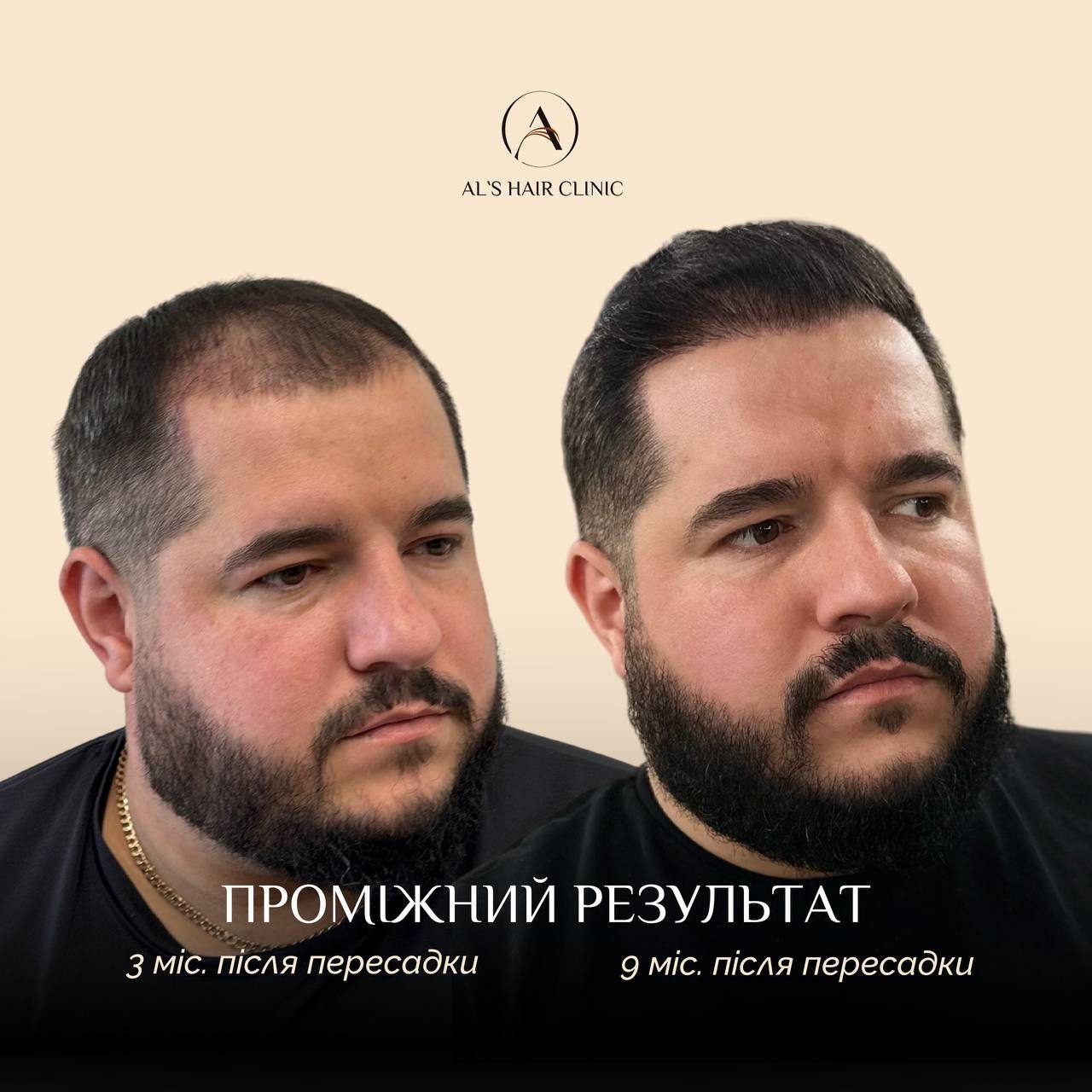
1–3 months – a temporary “shock loss” phase may occur, during which transplanted hairs shed before a new growth cycle begins. This is a normal physiological process.
3–6 months – the beginning of active growth of new hair in the implantation area.
8–12 months – final result: transplanted hair fully gains thickness and strength. The hairstyle appears natural and well-proportioned.
DHI or FUE – the choice depends on individual factors, the condition of the donor area, and the expected result. Book an initial consultation with a hair transplant surgeon: we will perform a detailed assessment and recommend the optimal method specifically for you.