
Removal of milium

Milium are benign skin formations that appear as small, dense white or yellowish nodules. Their size typically does not exceed 1–3 mm. These lesions have well-defined borders, a firm structure, and slightly protrude above the surface of the skin.
Self-removal of milia is not recommended, as it may lead to skin injury or infection. Safe and effective removal should be performed by a dermatologist or a qualified cosmetologist, who can also recommend appropriate skincare to help normalize the condition of the skin.
Enroll
Removal of milium (1-5 items)
Doctors
Halyna Yevgenivna Girnyk
Dermatovenerology
Candidate of Medical Sciences, Associate Professor of the Department of Dermatology and Venereology at Ivano-Frankivsk National Medical University, Dermatovenereologist, and Pediatric Dermatovenereologist. In 2005, she graduated with honors from Ivano-Frankivsk State Medical Academy with a degree in General Medicine, obtaining the qu...

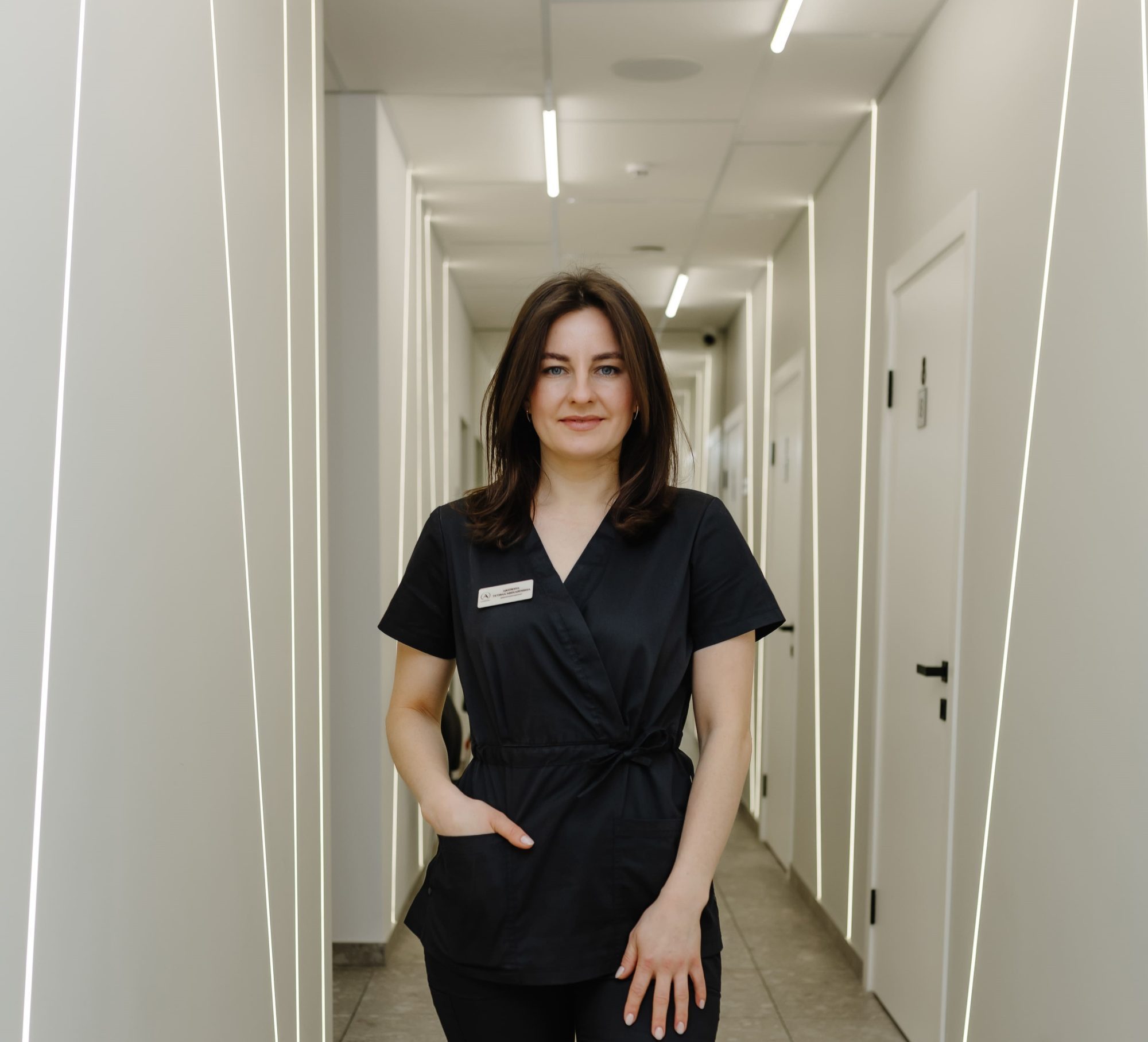
Tetyana Mikhailivna Tsyulyupa
Dermatovenerologist, Trichologist
In 2016, graduated from Bukovinian State Medical University. 2016–2018 – Completed internship in Dermatovenereology. 2023 Seminar: “Dermoscopy for All Specialties” Seminar: “De Femina: Pro Vulva” Scientific and practical conference: “Justy Ukraine Day” Seminar: “Svitlana Diachuk’s Dermoscopy School” “Kyiv Dermatology Days” Congr...
Why do milium appear?
The formation of milia is associated with disruptions in the skin’s natural renewal process. Normally, epidermal cells gradually move to the surface, die off, and exfoliate. When this process is impaired, and sebum production increases, pores can become clogged, leading to the formation of closed comedones, which include milia.
Common contributing factors include:
- improper or comedogenic skincare products;
- hormonal changes and endocrine disorders;
- internal health conditions;
- unbalanced diet;
- genetic predisposition;
- increased activity of sebaceous glands.
Where do milia most commonly appear.
Milia can develop on both the face and other areas of the body. The most typical locations include:
- under-eye area;
- eyelids;
- forehead;
- cheeks;
- chin.
Due to their appearance on visible areas, they often cause aesthetic discomfort.
How to recognize milium.The main sign is the presence of small, dense white or yellowish nodules that:
- are painless;
- do not become inflamed like typical acne;
- do not resolve on their own;
- may appear individually or in clusters.
Extra caution is required when milia are located on the eyelids, as the skin in this area is particularly thin and sensitive.
Milium removal methods in Ivano-Frankivsk
The choice of treatment depends on the number of lesions, their location, and the patient’s skin type. After an examination, a dermatologist at Al’s Hair Clinic selects the most appropriate approach tailored to the patient’s needs.
Common methods include:
Mechanical removal. Used for single lesions. After antiseptic preparation, the milium is carefully opened with a sterile instrument and its contents are removed.
Professional skin cleansing. Recommended for multiple lesions or when accompanied by comedones. The procedure includes skin preparation, deep cleansing, and post-treatment care.
Electrocoagulation. An effective method for treating multiple milia. Using electric current, the lesion is coagulated and removed with minimal damage to surrounding tissues.
If there is any doubt about the nature of the lesion, the doctor may recommend consultation with a specialized expert.
Post-procedure care and prevention.
After milium removal at Al’s Hair Clinic, it is important not only to follow proper skincare but also to address the underlying causes.
Recommendations:
- use skincare products prescribed by your doctor;
- avoid aggressive treatments (frequent exfoliation, alcohol-based products);
- maintain a balanced diet;
- monitor hormonal balance and overall health.
It is important to note that excessive drying of the skin can have the opposite effect - stimulating sebaceous gland activity and increasing the risk of recurrence.
A professional and comprehensive approach to treatment and prevention not only helps eliminate milium but also significantly improves overall skin health.