
PRP-therapy for the scalp

PRP therapy for the scalp is a modern procedure in which platelet-rich plasma is extracted from the patient’s blood and injected into the scalp. This plasma stimulates microcirculation, promotes the regeneration of hair follicles, and helps strengthen the hair from within.
The procedure is considered safe because it uses the patient’s own blood, which virtually eliminates the risk of allergic reactions or rejection.

PRP therapy for the scalp
Doctors
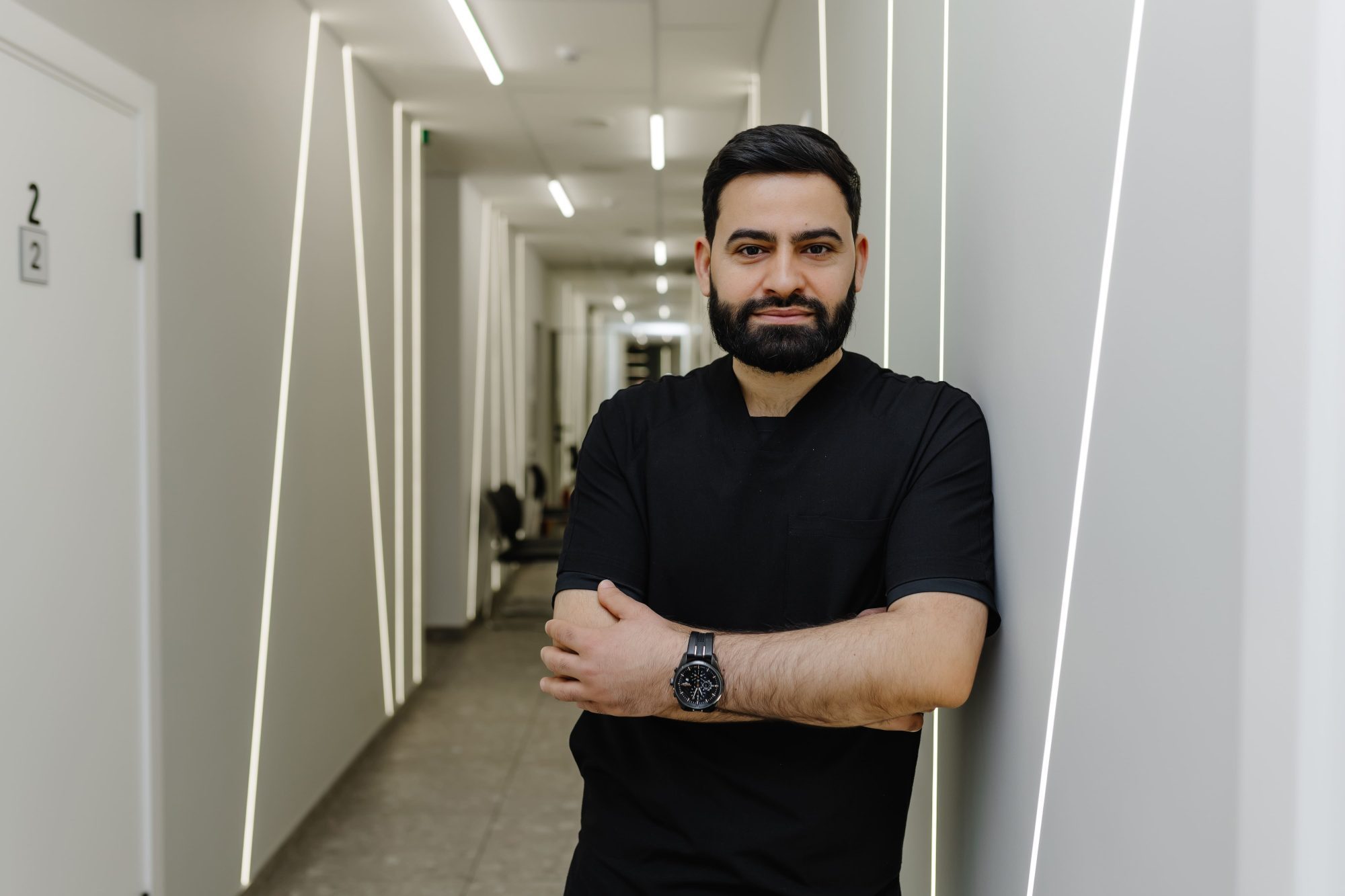
Ali Al-Gayyim
Surgeon-Transplantologist
In 2016, he graduated from the Ivano-Frankivsk National Medical University, majoring in "General Medicine". In 2018, he completed clinical residency. In 2019, he graduated from the specialization "Therapy. General practice". In 2022, he underwent retraining in the specialty "General Surgery" at the National Medical Academy of Postgraduate Education...
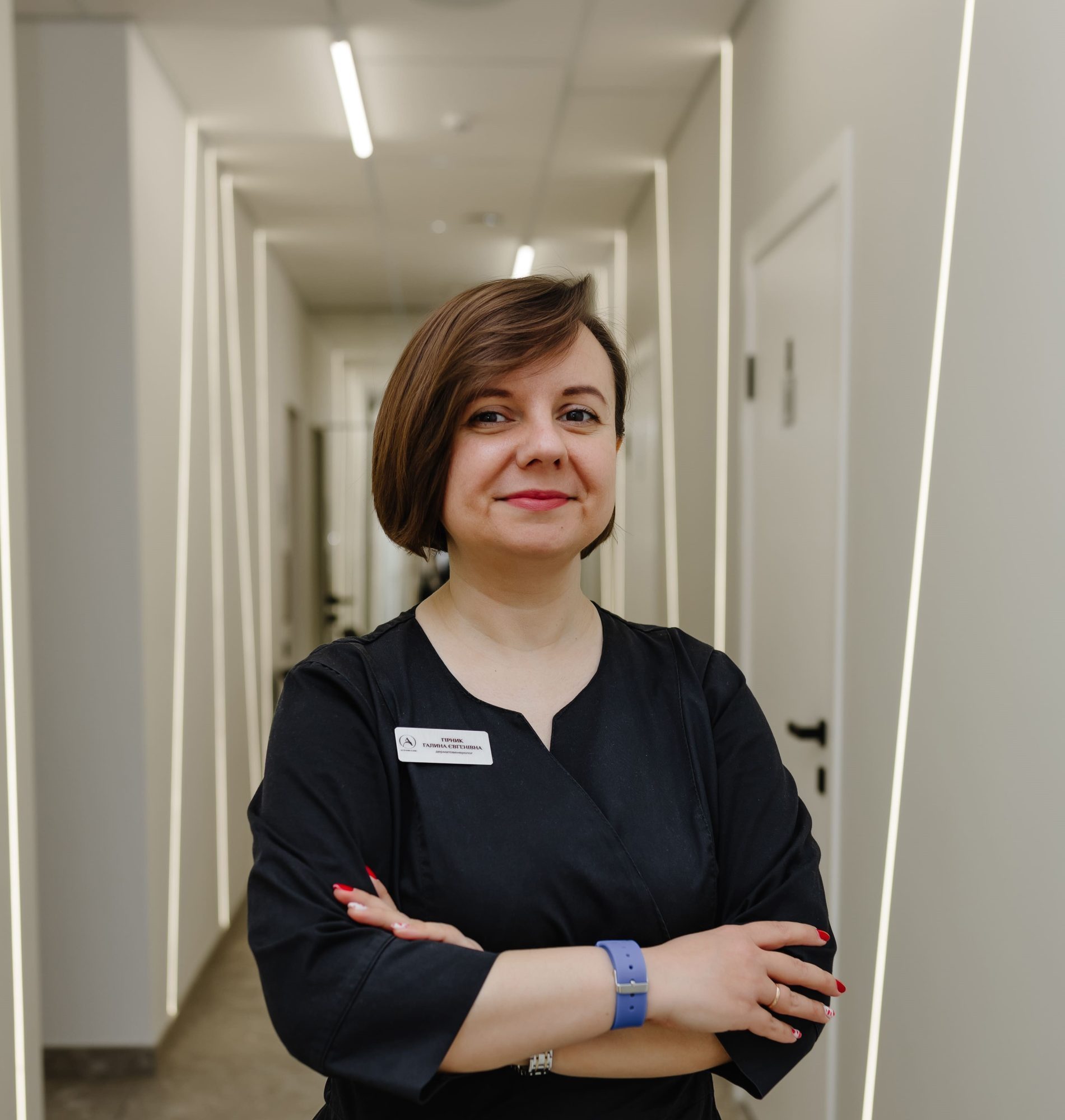
Halyna Yevgenivna Girnyk
Dermatovenerology
Candidate of Medical Sciences, Associate Professor of the Department of Dermatology and Venereology at Ivano-Frankivsk National Medical University, Dermatovenereologist, and Pediatric Dermatovenereologist. In 2005, she graduated with honors from Ivano-Frankivsk State Medical Academy with a degree in General Medicine, obtaining the qu...
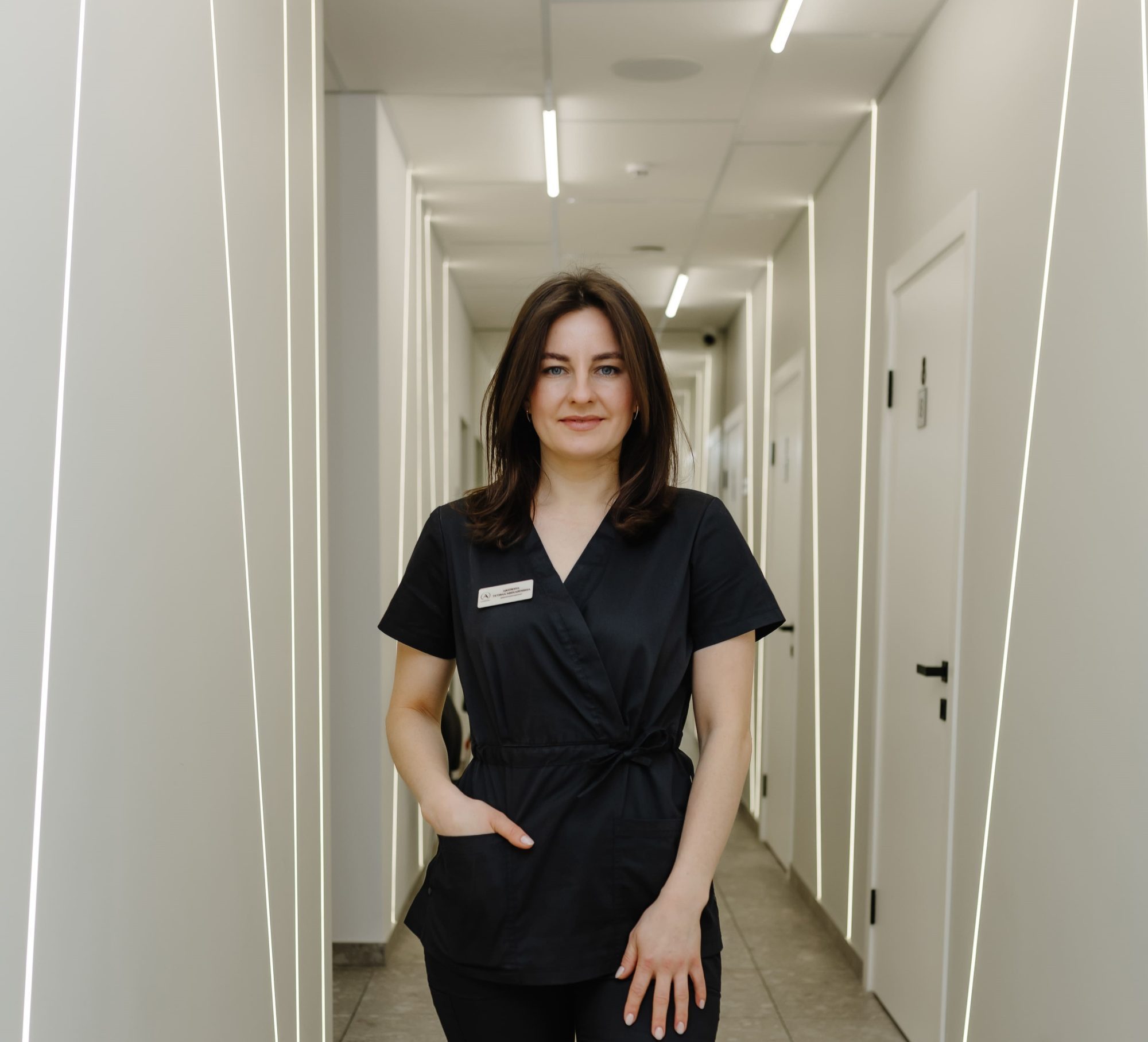
Tetyana Mikhailivna Tsyulyupa
Dermatovenerologist, Trichologist
In 2016, graduated from Bukovinian State Medical University. 2016–2018 – Completed internship in Dermatovenereology. 2023 Seminar: “Dermoscopy for All Specialties” Seminar: “De Femina: Pro Vulva” Scientific and practical conference: “Justy Ukraine Day” Seminar: “Svitlana Diachuk’s Dermoscopy School” “Kyiv Dermatology Days” Congr...
PRP therapy for the scalp provides excellent results for hair: it becomes stronger, thicker, and shinier, and hair growth is noticeably stimulated.
This method is recommended for the following conditions:
- Intensive hair loss
- Slowed hair growth
- Brittle and dry hair
- Dandruff
- Seborrhea
- Patchy (alopecia areata) and diffuse hair loss
- Damaged hair structure
The procedure is also effective for hair restoration after:
- Stress or hormonal changes
- Exposure to negative external factors such as ultraviolet radiation, cold weather, or the use of aggressive hair care products
How is PRP therapy for the scalp performed?
A small amount of blood is taken from the patient. The blood is then placed in a centrifuge, where platelet-rich plasma is separated. Using a very fine needle, the plasma is injected into the scalp.
The treated area is disinfected beforehand. The procedure is performed under sterile conditions, and the patient experiences only minimal discomfort.
Preparation
No special preparation is required. However, it is recommended to avoid alcohol for 2–3 days before the procedure and to stop taking anticoagulants (such as aspirin, heparin, etc.) if possible.
Post-procedure recommendations
Avoid saunas, steam baths, and swimming pools for 3 days after the procedure;
Refrain from intense physical activity for 2–3 days.
To achieve the best results, it is recommended to undergo 3–6 PRP scalp treatments. The suggested interval between procedures is 2–3 weeks.
The duration of the treatment course is determined individually, depending on the condition of the hair and the patient’s specific needs.